Journey through the sacred sites, living traditions, and natural wonders of the Ashanti Kingdom’s capital, Ghana’s greatest untold story.
The Complete Guide
10 Must-Visit Tourist Sites in Kumasi, Ghana
Kumasi, the Ashanti regional capital and Ghana’s second-largest city, is a treasure trove of cultural heritage, sacred sites, and natural wonders. Often overlooked by Accra’s coastal attractions, Kumasi offers an authentic, deeply rooted African experience that contrasts visitors to one of the continent’s most powerful historical kingdoms.
Royal History
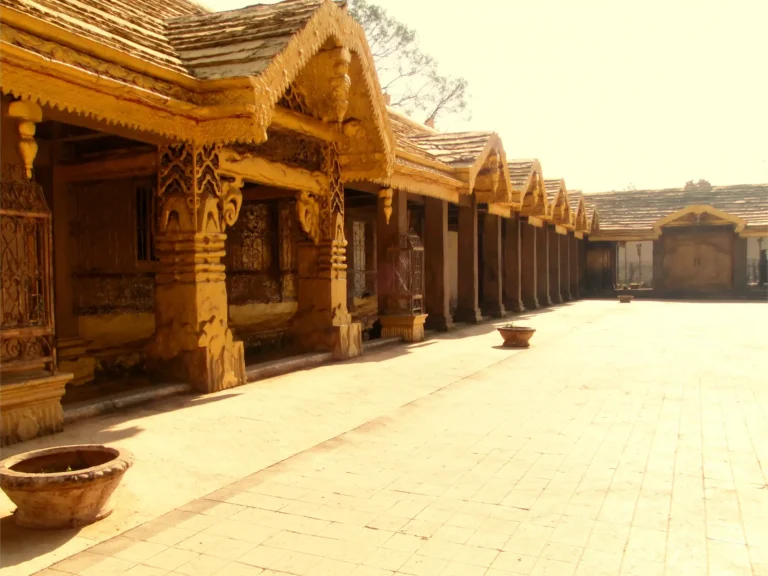
Manhyia Palace Museum
Built in 1925 by the British as a gift to the Asantehene Prempeh I upon his return from exile, Manhyia Palace stands as the political and spiritual heart of the Ashanti Kingdom. The museum showcases centuries of royal history including the famous Golden Stool, war drums, and personal effects of past kings.
2-3 Hours
Open Morning-6pm
4.2/5
Kumasi, Ashanti Region u00b7 Ghana
Sacred Heritage Site
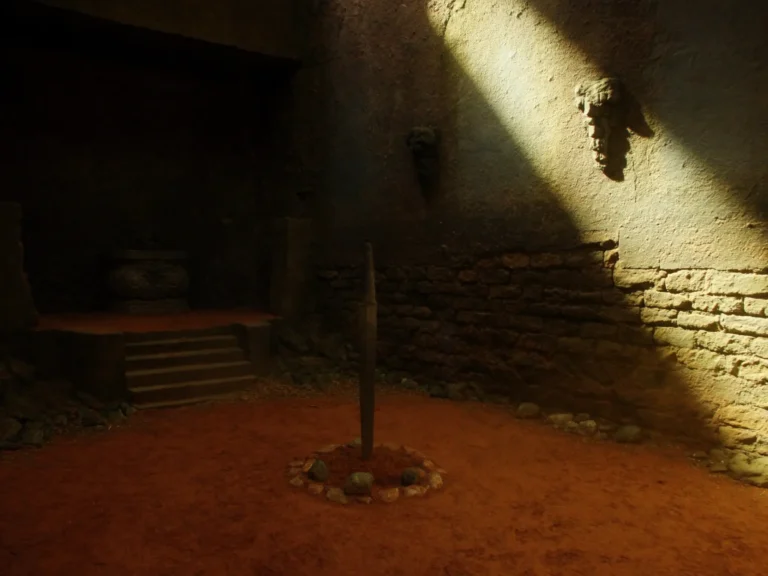
Okomfo Anokye Sword Site
According to Ashanti oral tradition, the priest Okomfo Anokye planted two swords, one in Kumasi and another in Bare. Legend holds that the day the sword is removed, the Ashanti Kingdom will fall. This site is a powerful symbol of cultural permanence.
1-2 Hours
Best: Any time
4.1/5
Kumasi, Ashanti Region u00b7 Ghana
Natural Wonder
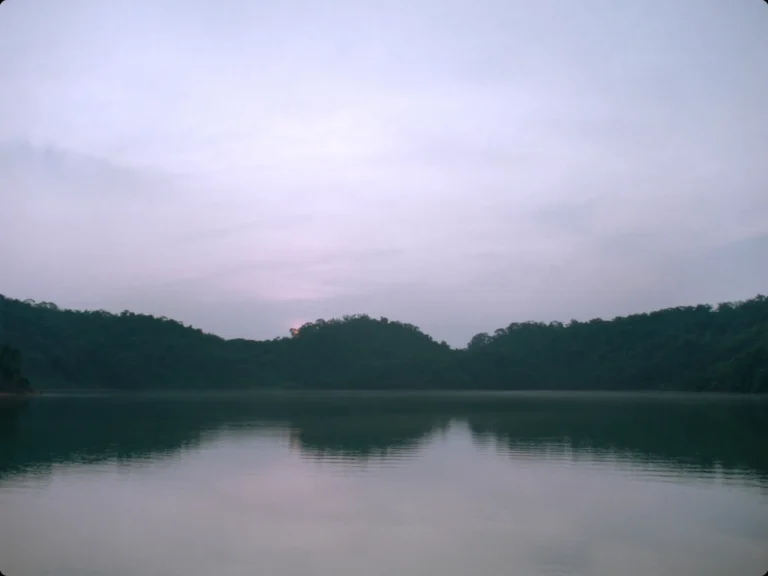
Lake Bosomtwe
Formed by a meteorite impact approximately 1.07 million years ago, Lake Bosomtwe spans 8 kilometers in diameter and reaches depths of 80 meters. The Ashanti traditionally fish the lake using wooden planks instead of boats, honoring the spirit of the lake. The surrounding forest is a biodiversity hotspot.
Half day
Best: Early morning or sunset
4.6/5
Kumasi, Ashanti Region u00b7 Ghana
Cultural Immersion
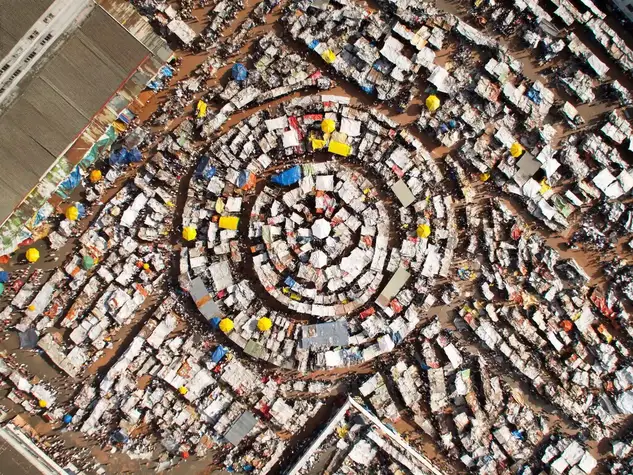
Kejetia Market
Kejetia Market is more than commerce, it is a living cultural institution. The market operates on ancient trade routes and practices that predate colonialism. The new Kejetia Market complex, one of the largest in Africa, houses vendors selling multiple floors while preserving the vibrant, organized chaos that makes it legendary.
2-4 Hours
Best: Weekday (8am-6pm)
4.7/5
Kumasi, Ashanti Region u00b7 Ghana
Living Heritage
Bonwire Kente Village
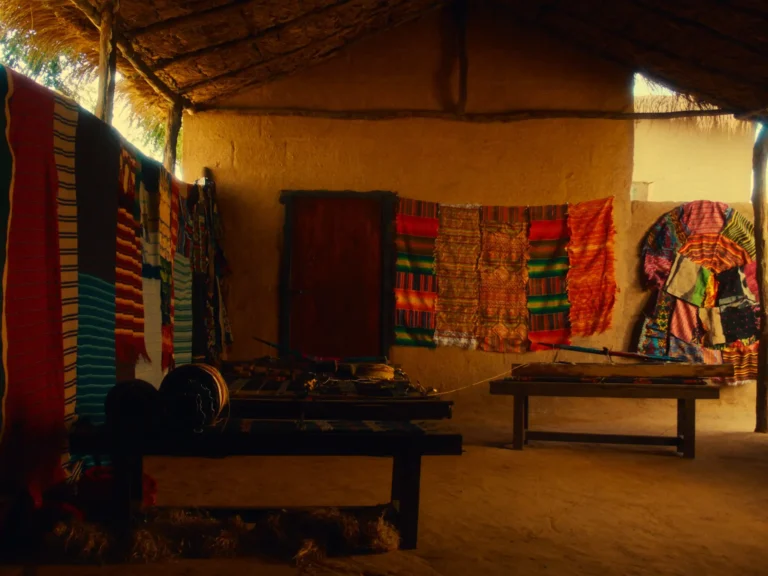
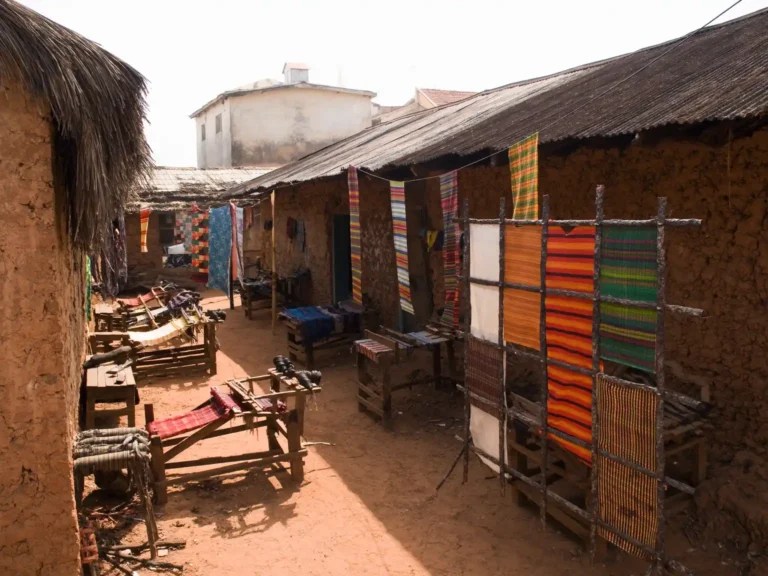
Bonwire, located 18 kilometers from Kumasi, is where legend says two hunters learned to weave by watching a spider named Anansi. Today, the village remains the epicenter of authentic Kente production. Each pattern carries specific meanings, from royalty and wealth to wisdom and courage.
3-4 Hours
Best: Weekday mornings
4.8/5
Kumasi, Ashanti Region u00b7 Ghana
Artisan Heritage
Adanwomase Kente Village
While Bonwire receives more visitors, Adanwomase offers a more immersive experience. Visitors can participate in the weaving process, work directly from master artisans, and commission bespoke Kente pieces. The village community welcomes visitors with genuine hospitality.
2-3 Hours
Best: Weekday mornings
4.7/5
Kumasi, Ashanti Region u00b7 Ghana
Colonial History
Kumasi Fort & Military Museum
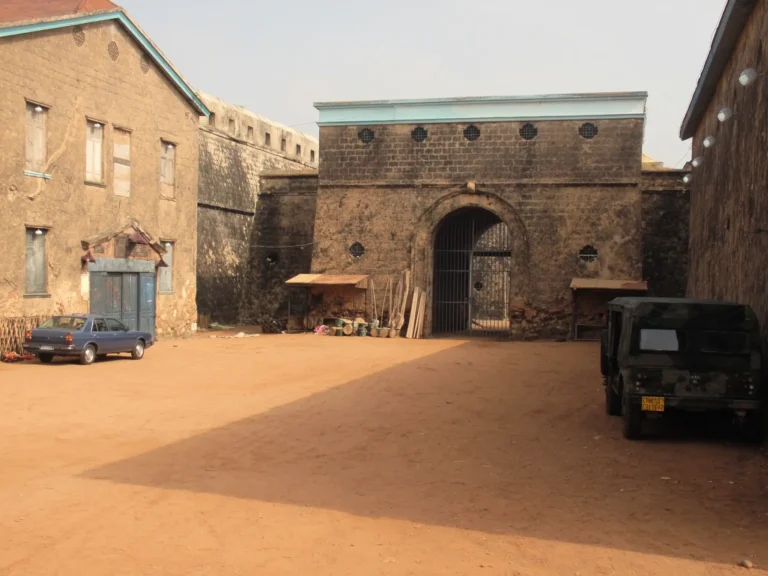
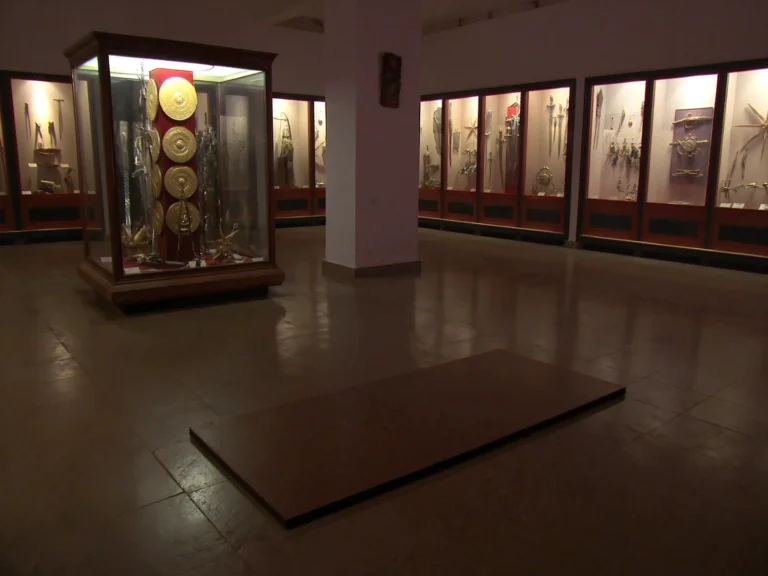
The Fort of Kumasi stands as a testament to Ashanti resistance. Built in 1820, it witnessed several battles. The museum displays weapons, military uniforms, and detailed accounts of the legendary Yaa Asantewaa war against the British in 1900, one of the most significant anti-colonial uprisings in African history.
1-2 Hours
Best: Monday
4.4/5
Kumasi, Ashanti Region u00b7 Ghana
Royal History
Prempeh II Jubilee Museum
This museum within the Manhyia Palace grounds offers an intimate look at Ashanti royal life. The exhibits include the king’s wardrobe, ceremonial swords, gold jewelry, and photographs documenting key moments in the kingdom’s history. The architecture itself reflects traditional Ashanti and colonial-era design.
1-2 Hours
Best: Monday
4.7/5
Kumasi, Ashanti Region u00b7 Ghana
Urban Landmark
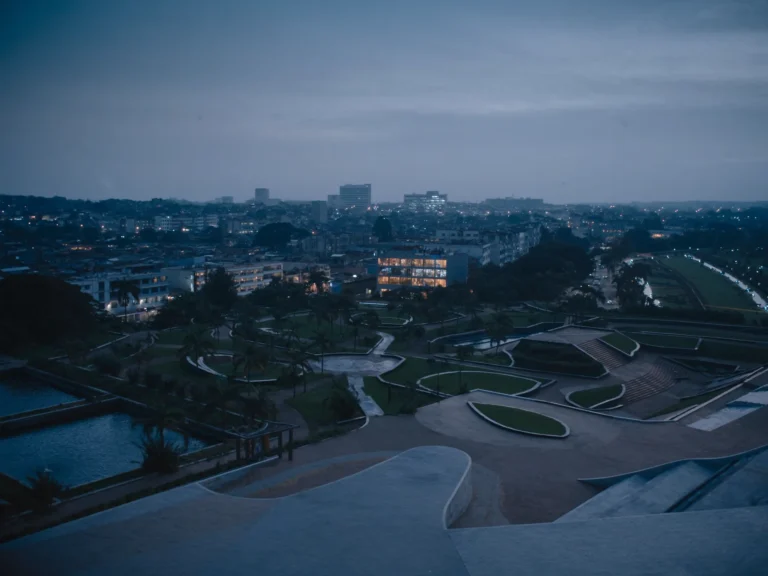
Rattray Park
Named after Captain Robert Sutherland Rattray, a British anthropologist who documented Ashanti culture, the park represents modern Kumasi’s investment in public spaces. It serves as a venue for cultural events, family recreation, and a peaceful respite in the heart of the bustling city.
1-2 Hours
Best: Late afternoon
4.4/5
Kumasi, Ashanti Region u00b7 Ghana
Eco Tourism
Bobiri Forest & Butterfly Sanctuary
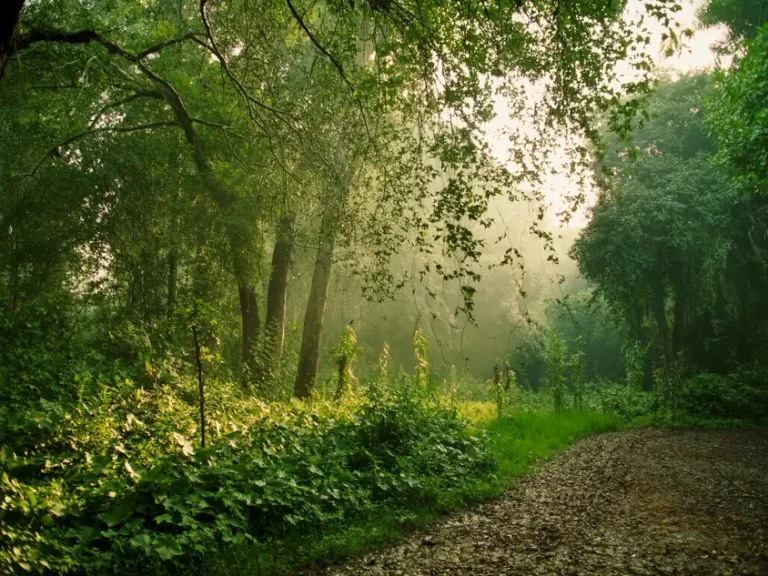
Bobiri Forest Reserve covers 54 square kilometers of lush deciduous tropical forest. The forest sanctuary, established in 2000, is the home of at least 400 species of butterflies in West Africa. The forest canopy walkway offers stunning trails that reveal the immediate biodiversity of the Ashanti ecosystem.
Half day
Best: Early morning
4.6/5
Kumasi, Ashanti Region u00b7 Ghana
Ready to Experience Kumasi?
Let Flomm Consult craft your personalized heritage tour. Whether a solo traveler, group expedition, or corporate cultural retreat, we handle every detail.